24 Feb, 2026
United States government agencies process millions of records every day.
23 Feb, 2026
Government agencies face strict requirements for authentication in 2026.
20 Feb, 2026
At the consumer level, the Federal Trade Commission recorded more than $10 billion in reported fraud losses in recent annual data.
ALL BLOG POSTS
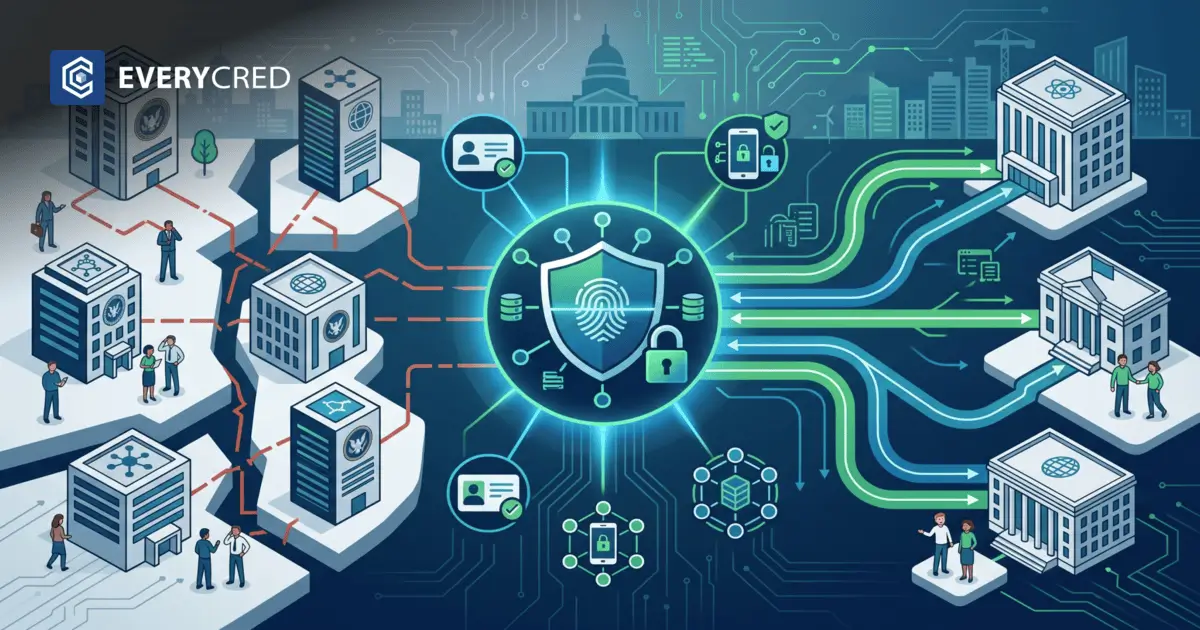
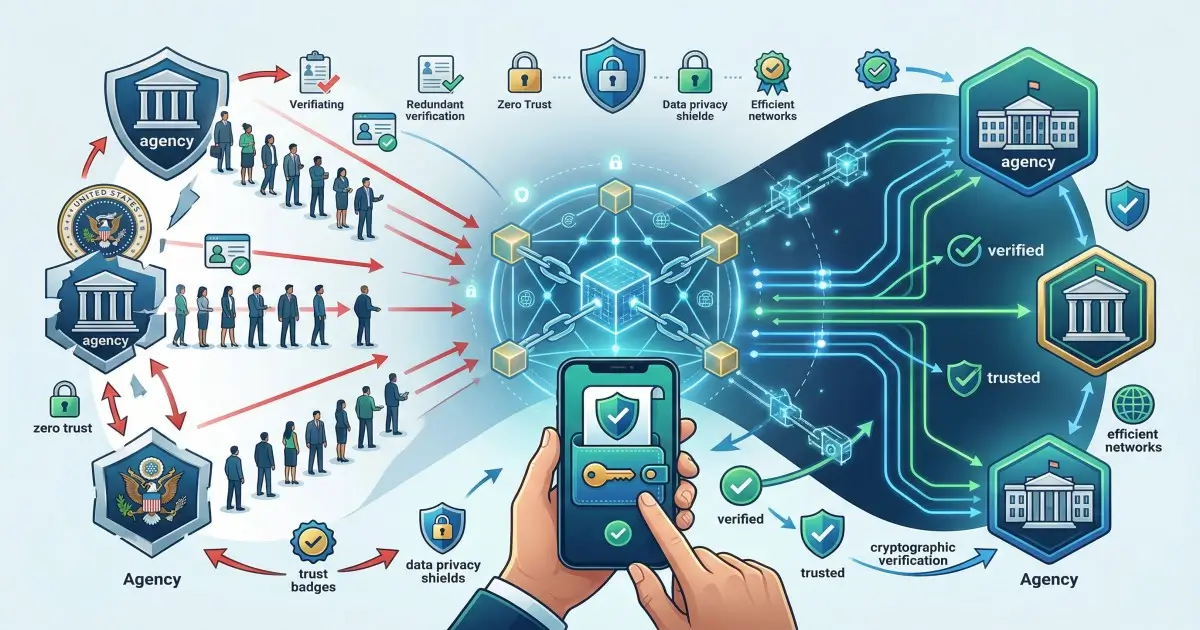
Cross-Agency Credential Verification: A Must-Have for Government 
19 Feb, 2026
Blog
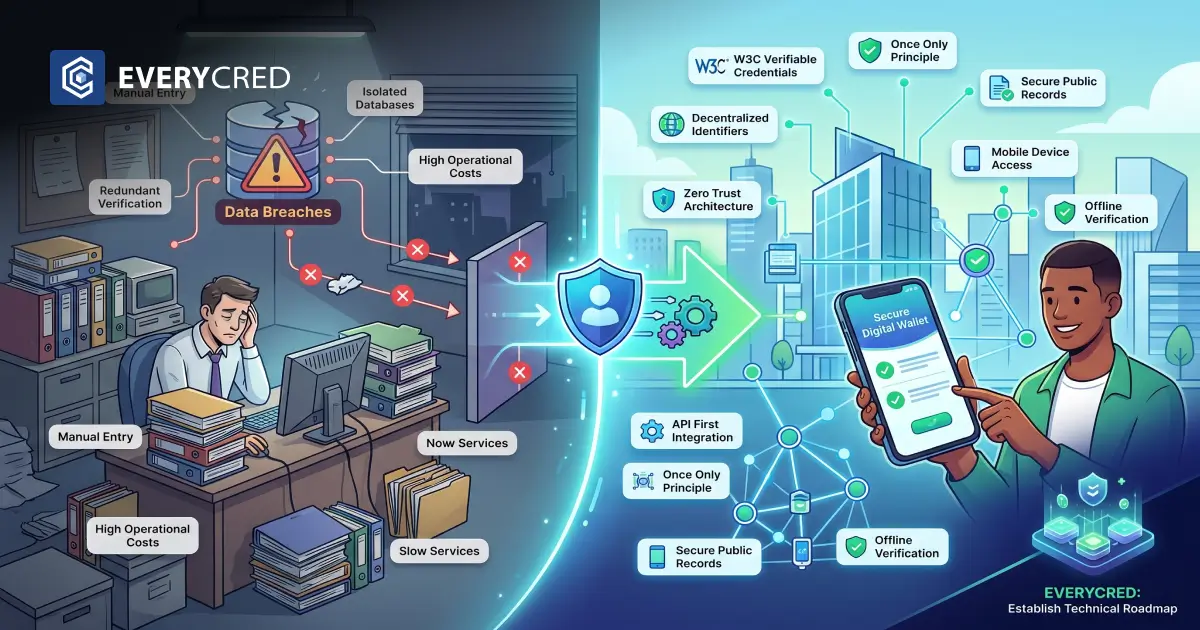
Government agencies operate vast, independent IT networks. Data separation across these networks causes delays, redundant processing, and security vulnerabilities.
Read post arrow
clock 7 min read
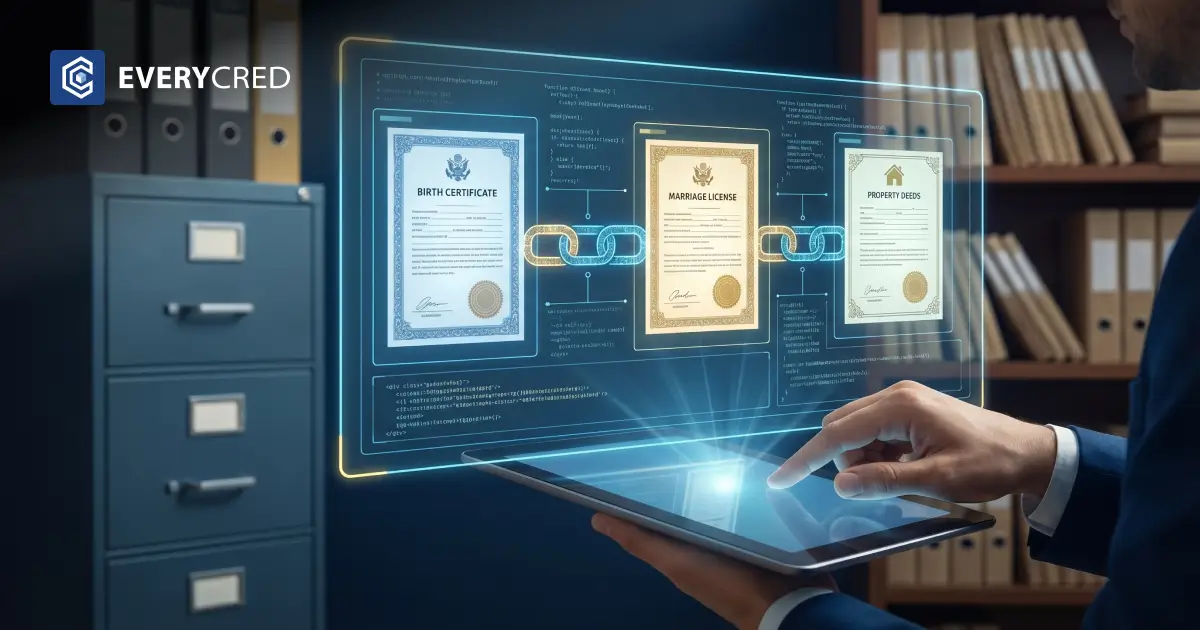
How Digital Credentials Improve Government Audit Readiness
18 Feb, 2026
Blog
Government compliance officers face increasing pressure to maintain accurate records. Regulatory bodies demand stricter oversight, while budgets for manual administration shrink. The traditional approach to compliance relies on paper trails, spreadsheets, and reactive data gathering. This method often fails during an audit. It leaves agencies vulnerable to errors, data gaps, and fraud. Agencies must shift […]
Read post arrow
clock 7 min read
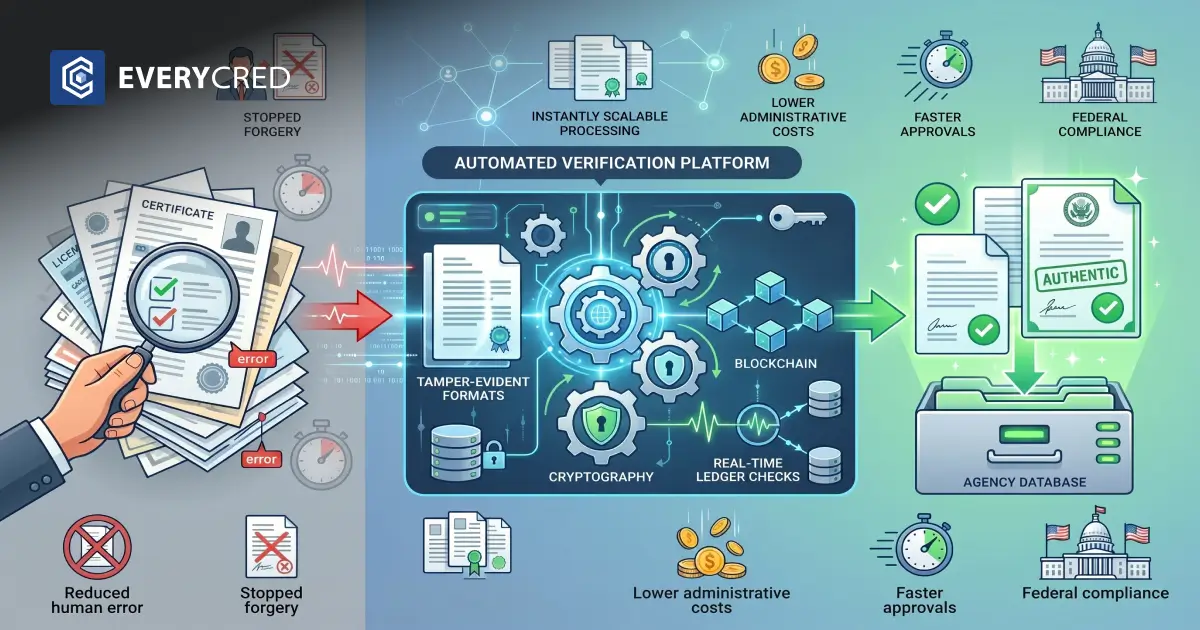
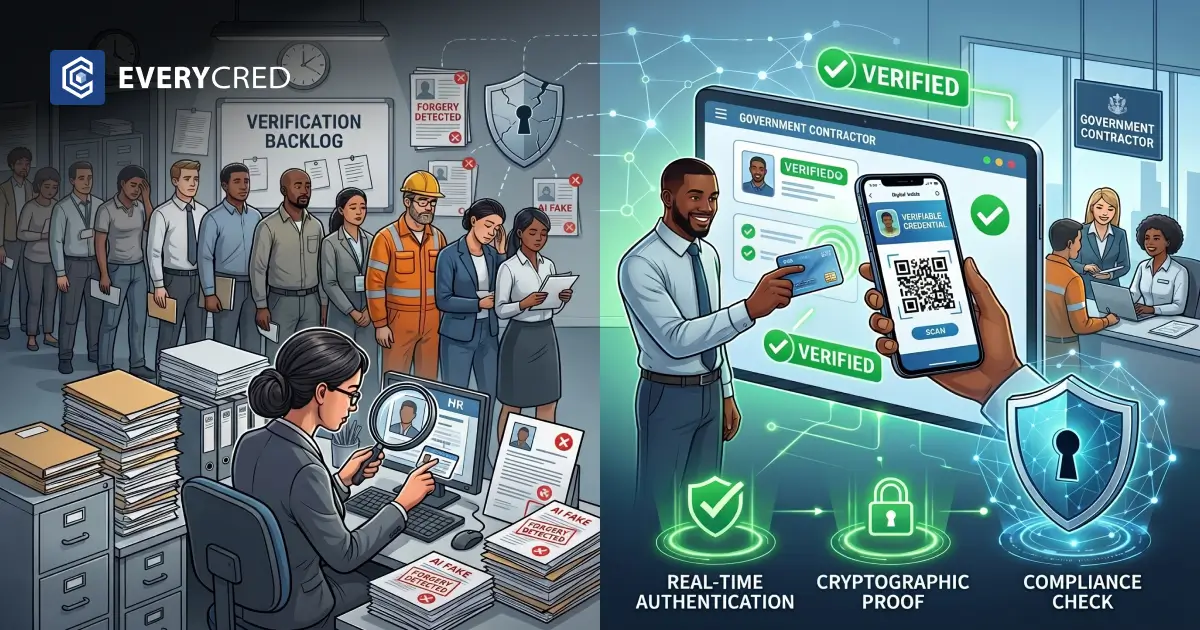
Why Manual Verification Fails Government Fraud Prevention
17 Feb, 2026
Blog
Government agencies in the USA face a significant increase in sophisticated identity theft. Traditional manual verification methods have become insufficient to stop high-level fraud. Human reviewers cannot consistently detect the advanced fake credentials produced by generative artificial intelligence. For compliance heads, the transition to government verification automation is no longer a matter of convenience but a requirement for operational […]
Read post arrow
clock 6 min read
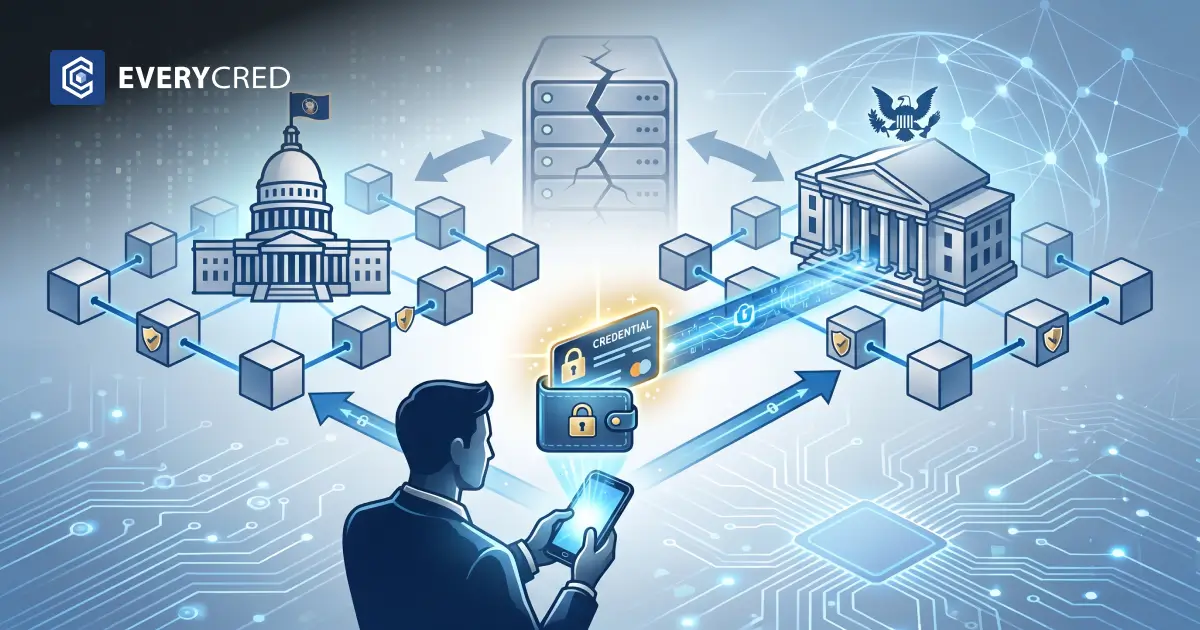
Decentralized Government Identity Verification Platform to Prevent Identity Theft and Fraud
16 Feb, 2026
Blog
Federal, state, and local agencies in the United States face a growing requirement to modernize their authentication systems. The transition from physical documentation to a digital identity verification platform is a primary objective for government IT departments. This transformation responds to the increasing complexity of cybersecurity threats and the need for more efficient public service […]
Read post arrow
clock 7 min read
Ghost Students in Public Education: How Agencies Can Stop Fraud
12 Feb, 2026
Blog
Public education agencies in the United States face a growing financial threat from synthetic identities. These fraudulent accounts, known as “ghost students,” exist only on paper or in digital databases. Bad actors use these identities to enroll in schools and apply for federal financial aid. The U.S. Department of Education recently reported that it prevented […]
Read post arrow
clock 6 min read
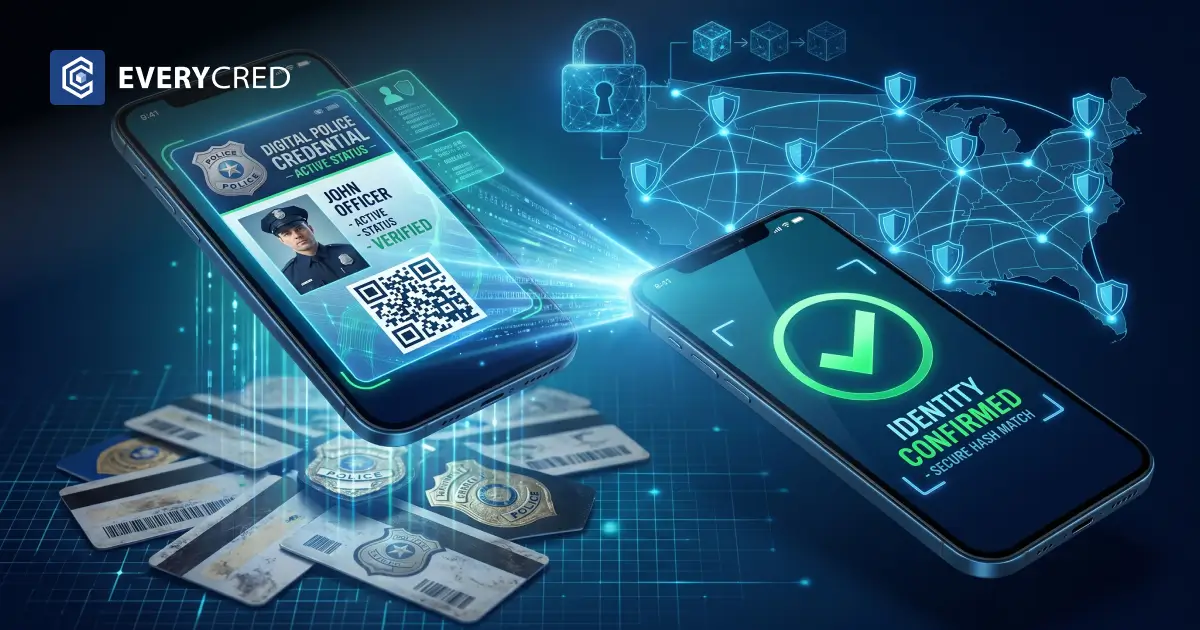
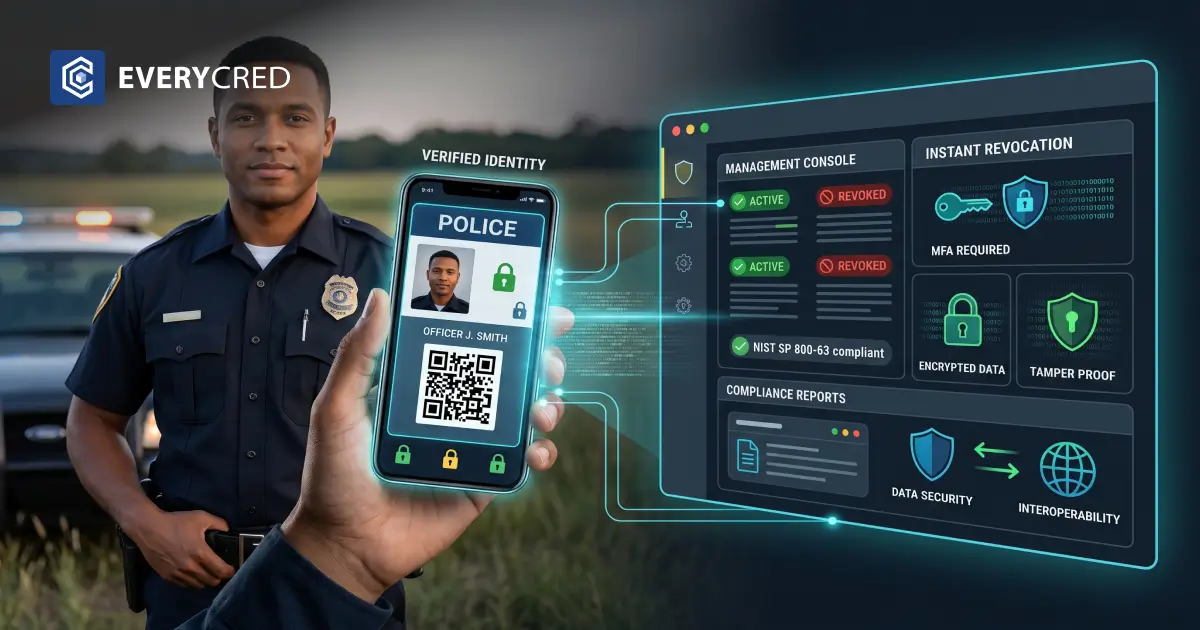
Digital Police Identity Verification in India: Combatting the “Digital Arrest” Crisis
10 Feb, 2026
Blog
The Indian public faces a significant and growing threat from cybercriminals impersonating law enforcement officials. This issue severely undermines public trust in legitimate authority. The primary driver of this current crisis is the rise of the “digital arrest” scam. These complex frauds rely entirely on the inability of citizens to distinguish between a real officer acting remotely […]
Read post arrow
clock 7 min read
eIDAS 2.0 and the Future of Digital Identity in the Public Sector Within Europe
05 Feb, 2026
Blog
By late 2026, the European digital market will undergo its most significant transformation since the introduction of GDPR. The full implementation of eIDAS 2.0 and the mandatory rollout of the European Digital Identity (EUDI) Wallet will fundamentally change how governments interact with citizens and businesses. For government agencies, this is not merely a compliance update; it is […]
Read post arrow
clock 7 min read
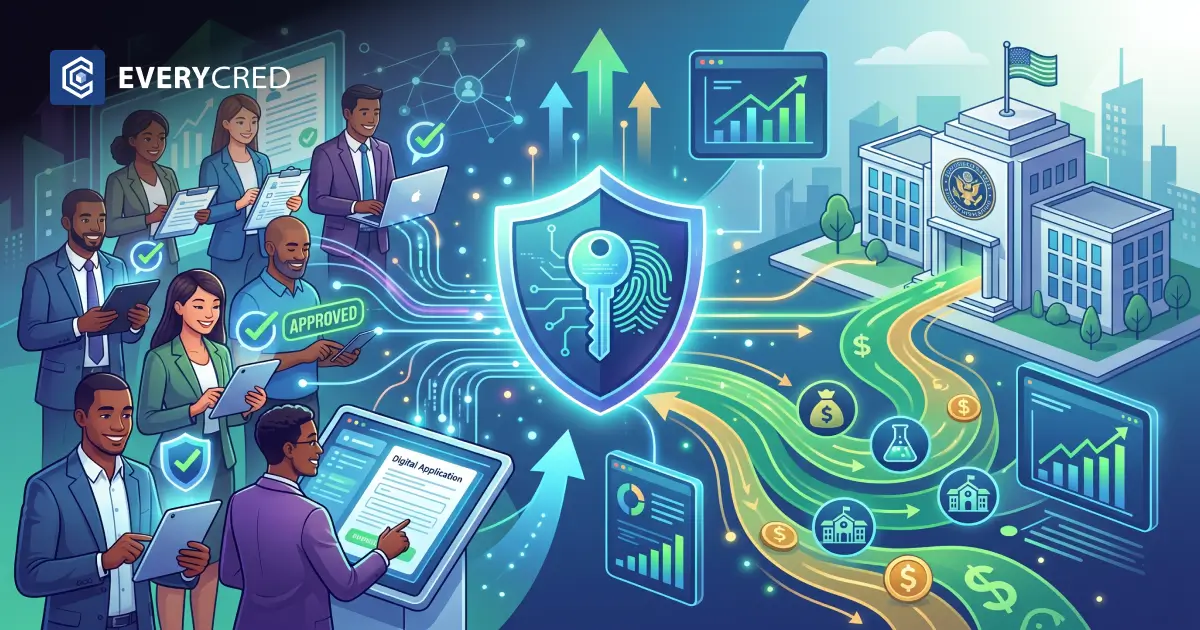
How U.S. Agencies Can Prevent Fake Credentials Using Digital Credential Verification in 2026
03 Feb, 2026
U.S. government agencies face a significant increase in sophisticated fraud. In 2026, the prevalence of fake credentials has reached a critical point due to advancements in generative AI and synthetic identity theft. Federal and state entities now require robust digital credential verification to maintain security and public trust. Here, we will discuss how agencies can transition to digital […]
Read post arrow
clock 6 min read
Digital Credential Platform for Universities in India
30 Jan, 2026
Blog
Indian Higher Education Institutions (HEIs) and autonomous colleges face pressure to modernize their administrative workflows. The traditional methods of processing academic records are no longer sufficient to meet the demands of global recruitment and regulatory compliance. Implementing a digital credential platform for universities in India allows institutions to transition from paper-based systems to secure, automated environments. This […]
Read post arrow
clock 7 min read
Manual vs. Digital: Credential Verification Cost in India for Public Sector Budgeting
28 Jan, 2026
Blog
Government departments and Public Sector Undertakings (PSUs) in India handle high volumes of recruitment and procurement. Each hire or vendor onboarding requires a thorough check of educational and professional records. The efficiency of this process depends on the chosen method: manual or digital. This article analyzes the credential verification cost in India to assist public sector officials […]
Read post arrow
clock 7 min read
Digital Credential Verification for Large-Scale Government Recruitment in India
27 Jan, 2026
Blog
In the current recruitment landscape in India, government agencies manage millions of applications for various civil service and technical roles. Managing the document verification process for such volumes requires high operational efficiency and security. Large scale credential verification has moved from manual, paper-based checks to digital systems that utilize verifiable credentials to ensure the authenticity of candidate data. EveryCRED provides […]
Read post arrow
clock 6 min read
Fake Degree Verification Risk in India: Credential Verification for Employers & Institutions
20 Jan, 2026
Blog
The prevalence of fraudulent academic records in India presents a significant challenge for government bodies and educational institutions. Recent data indicates that approximately 28% of job applicants in India submit documents with some form of educational discrepancy. For high-stakes recruitment in government and education sectors, the presence of unverified candidates compromises organizational integrity and public […]
Read post arrow
clock 6 min read
Got a question or want to talk about your business? We have genuine humans who are keen to hear from you.
Send us a message

pattern